Cedar Shake Roof in Quebec: Lifespan, Care and Cost Factors
· admin
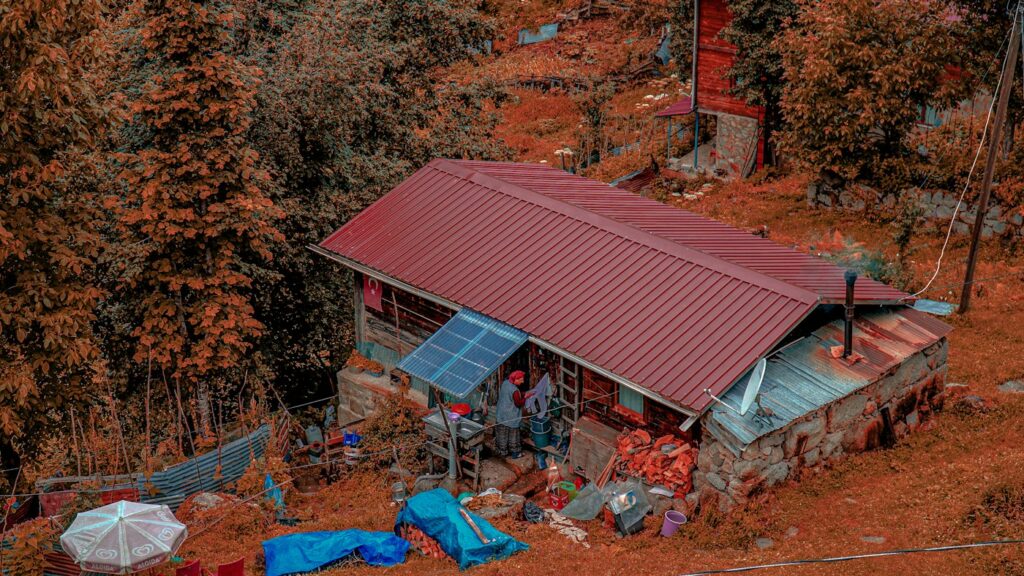
A cedar shake roof can last roughly 20 to 30 years in Québec, and sometimes longer, if it is well ventilated, kept clean and treated regularly. In the humid, shaded forests of the Laurentides, though, neglected cedar can rot, curl and grow moss in half that time. This guide explains how cedar roofs behave in our climate, how to care for them, what drives the cost, and when replacing them with cedar or another material makes more sense.
Quick answer
- Typical lifespan: about 20 to 30 years with good maintenance; less in heavy shade and humidity.
- Main enemies: trapped moisture, moss, debris, poor ventilation and ice dams.
- Maintenance: yearly inspection, gentle cleaning, debris removal and periodic treatment.
- Cost: generally higher than asphalt shingles, with more skilled labour.
- Before replacing: check municipal rules, especially in heritage or PIIA zones.
Shakes vs shingles: what is on your roof?
People often use the words interchangeably, but there is a difference that matters for repairs and pricing.
| Feature | Cedar shakes | Cedar shingles |
|---|---|---|
| Manufacturing | Split by hand or machine, sometimes sawn on one side | Sawn on both sides |
| Appearance | Thicker, rustic, irregular texture | Thinner, smoother, more uniform lines |
| Typical use | Rustic chalets, log homes | Heritage houses, Victorian and Québec-style homes |
| Installation | Usually with interlayment felt between courses | Often on spaced or solid decking, depending on the system |
| Feel of the roof | Deep shadow lines | Fine, regular courses |
Both are usually made from western red cedar or eastern white cedar. Quality grades vary, and higher grades (fewer knots, edge grain) generally last longer.
How the Laurentian climate affects cedar
Cedar contains natural oils that resist decay, but those defences fade over time. The Laurentides combine several stress factors:
- Shade and humidity: chalets surrounded by tall conifers dry slowly after rain and snowmelt, which encourages moss, lichen and rot.
- Freeze-thaw cycles: water absorbed by the wood freezes and expands, opening cracks.
- Snow cover: a roof that stays under wet snow for months never fully dries.
- Needles and leaves: debris trapped in the keyways holds water against the wood.
- Ice dams: water backing up at the eaves soaks the lower courses first.
If moss is already present, see our dedicated guide on moss on roofs: cleaning and prevention (in French). For ice dams, read ice dams: causes, prevention and safe removal.
Signs your cedar roof needs attention
- Shakes that are cupped, curled, split or missing.
- Soft or crumbling wood when gently pressed, a sign of rot.
- Thick green moss, especially on the north slope.
- Grey, brittle surfaces that flake when touched.
- Gaps where daylight is visible from the attic.
- Water stains on the attic decking or interior ceilings.
Several of these signs together usually mean the roof is near the end of its life. Our article on the signs your roof is failing covers general warning signs that apply to any material.
Maintenance routine for a cedar roof
- Inspect every spring and fall, from the ground with binoculars or with a roofer.
- Remove debris such as needles, leaves and branches from valleys, keyways and gutters.
- Trim overhanging branches to let sun and air reach the roof.
- Clean gently: avoid high-pressure washing, which strips wood fibres and shortens the roof’s life. Specialists use low pressure and appropriate cleaners.
- Treat periodically with a product designed for cedar roofs, as recommended by the manufacturer or your roofer, often every few years.
- Replace damaged pieces quickly so water does not reach the layers below.
- Check ventilation: cedar needs air under and around it to dry. See our ventilation guide.
Walking on cedar is risky: wet wood is slippery and brittle pieces break. Leave rooftop work to a licensed roofer equipped for fall protection, as required by the CNESST.
What drives the cost of a cedar roof
Cedar is generally one of the more expensive pitched-roof options in Québec, mainly because of material cost and skilled labour. Exact prices change with the market, so treat any figure as indicative and get written quotes. The main factors are:
| Factor | Effect on price |
|---|---|
| Grade and species of cedar | Higher grades cost more but usually last longer |
| Shakes vs shingles | Thicker shakes generally cost more per square |
| Roof complexity | Valleys, dormers, turrets and steep slopes add labour |
| Tear-off and disposal | Removing old cedar and possible extra layers adds cost |
| Decking repairs | Rotten boards found during tear-off are an extra |
| Fire-retardant or pre-treated products | Usually a premium over untreated cedar |
| Access | Remote chalets and difficult access raise labour and delivery costs |
For a general picture of roofing budgets, see our roofing price guide for Quebec (in French), and estimate your roof size with the roof area calculator.
Repair, restore or replace?
If damage is limited to a few pieces and the wood is still solid, spot repairs and a cleaning-and-treatment cycle can buy several years. When rot is widespread, many pieces are split or the roof leaks in several places, replacement is the better investment. Our guide roof repair vs roof replacement walks through that decision.
Replacing cedar: same material or something else?
Some owners stay with cedar for its look and its value on a heritage home. Others switch to metal or architectural asphalt shingles for lower maintenance. A few points to check before deciding:
- Municipal rules: in heritage sectors and PIIA zones, the town may require wood or an approved look-alike. See our guide on roof permits in the Laurentides.
- Fire risk: in wooded areas, fire-retardant treated cedar or a non-combustible material may be preferable. Ask your insurer too; for general advice, visit our sister site on insurance in the Laurentides.
- Snow behaviour: switching to metal changes how snow slides off; plan for snow guards where people walk.
- Contractor experience: cedar is specialized work. Check the roofer’s RBQ licence on the Régie du bâtiment du Québec website and ask for photos of cedar roofs they have installed.
Frequently asked questions
How long does a cedar shake roof last in Quebec?
Roughly 20 to 30 years with good maintenance and ventilation. Heavy shade, humidity and neglect can shorten that considerably.
Should a cedar roof be pressure washed?
High pressure is not recommended because it damages the wood fibres. Low-pressure cleaning with suitable products is the usual approach.
Can you install cedar over existing shingles?
It is generally not recommended. A full tear-off lets the roofer inspect and repair the decking and install a proper underlayment.
Is cedar a good roof for a chalet in the forest?
It suits the look of many chalets, but it requires more maintenance in shaded, humid sites. Trimming trees and keeping the roof clean make a big difference.
Are cedar roofs allowed everywhere?
Rules vary by municipality. Some sectors encourage wood, while fire or architectural rules may limit it elsewhere. Check with your town before ordering material.
Conclusion
Cedar gives Laurentian chalets and heritage homes a warmth few materials can match, but it rewards owners who maintain it. Keep it clean, dry and well ventilated, repair small damage early, and plan replacement with a specialist when rot spreads. To compare prices for cedar restoration or replacement, request free roofing quotes in the Laurentides.
Leave a Reply