
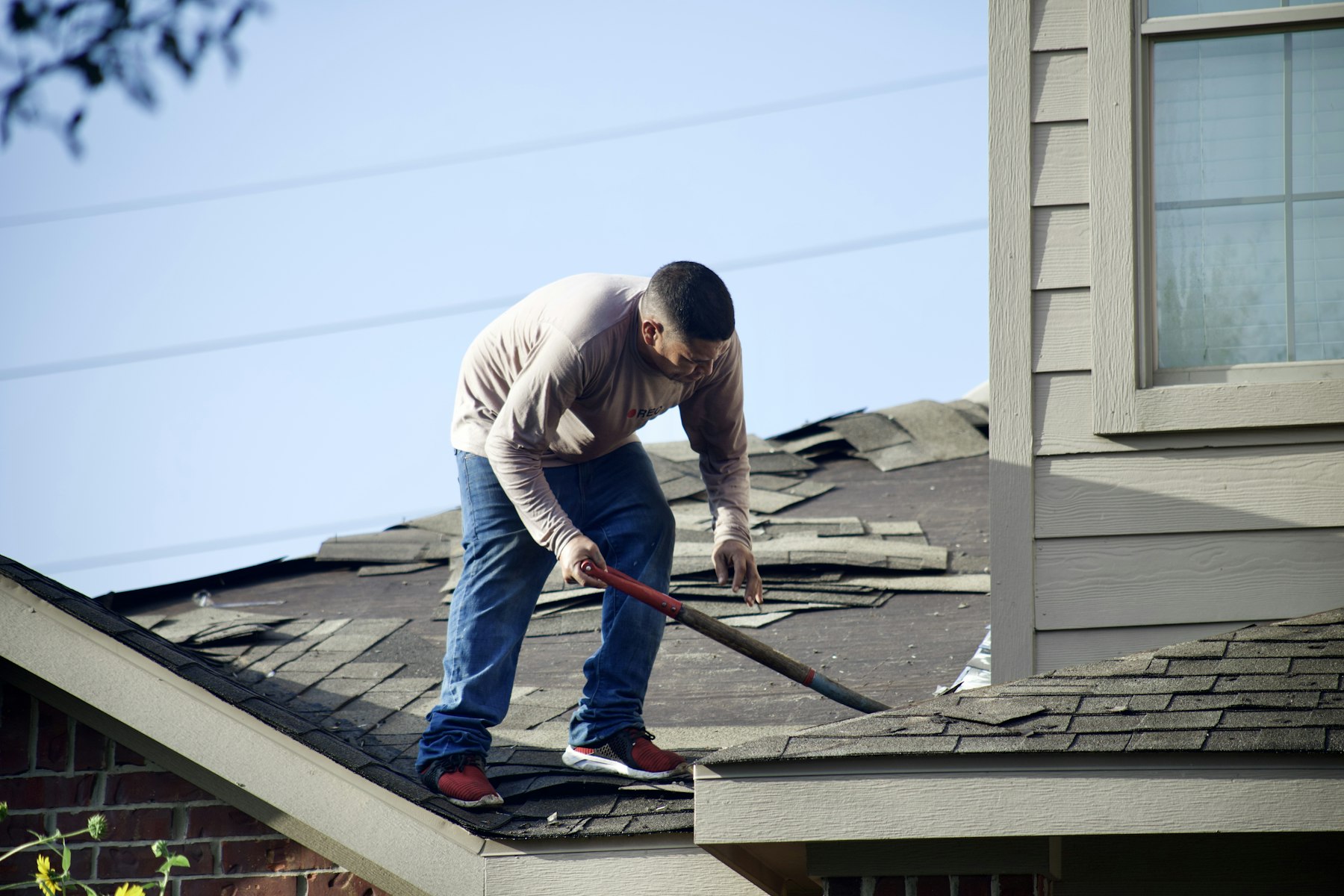
A typical asphalt shingle roof replacement on a Laurentian house takes one to three working days once the crew arrives, but the full process, from the first quote to the final inspection, usually spans several weeks. Knowing each step helps you prepare your home, spot shortcuts and avoid surprises on the bill. Here is what to expect, step by step.
Quick answer
- Before: quotes, RBQ check, signed contract, municipal permit, material delivery.
- Day 1: protection of the site, tear-off, decking inspection and repairs.
- Day 1 to 3: drip edge, ice and water membrane, underlayment, flashing, vents and new covering.
- After: magnetic sweep for nails, cleanup, final walk-through, invoice and warranty documents.
- Delays: rain, wind, rotten decking and permit wait times are the usual causes.
Step 1: Quotes, contract and permit
Everything starts with comparable quotes. A good quote describes the full system, not just the shingle brand: tear-off, decking repairs at a stated price per sheet, ice and water membrane, underlayment, drip edge, flashing, ventilation, disposal and warranty. Use our quote comparison checklist (in French) to compare offers line by line.
Before signing, verify the contractor’s licence on the Régie du bâtiment du Québec website. The contract should include the start window, the payment schedule, how extras are approved and the warranty terms. Our guide on roofing warranties in Quebec (in French) explains the difference between manufacturer and workmanship warranties.
Many municipalities require a permit or declaration for re-roofing. See roof permits in the Laurentides to know what to ask your town.
Step 2: Scheduling and material delivery
Roofers in the Laurentides are busiest from late spring to fall. Once the contract is signed, you will usually get a start window rather than a fixed date, because weather decides everything. A few days before the work, the supplier often delivers bundles directly onto the roof with a boom truck, or onto your driveway. A waste container may also be dropped on your property.
- Clear the driveway and the area where the container will sit.
- Tell your neighbours, especially if the container or truck will be close to their lot.
- Ask where the delivery truck will park so it does not damage your lawn, septic field or paving.
Step 3: Preparing your home
Re-roofing is noisy and causes vibrations through the whole house. A little preparation prevents damage:
- Move cars, patio furniture, barbecues and planters away from the walls.
- Take down fragile items from walls and shelves on the top floor.
- Cover belongings in the attic with tarps, since dust and debris can fall through.
- Keep children and pets away from the work zone; a nervous dog may be better off elsewhere for the day.
- Make sure the crew has access to an exterior outlet.
- Mark sprinkler heads, septic covers and anything buried that a falling bundle could break.
Step 4: Site protection and tear-off
On the first morning, the crew installs fall protection, tarps over landscaping and plywood over fragile areas. Then the old covering is removed down to the decking. In Québec, workers on roofs higher than 3 metres must be protected against falls under rules enforced by the CNESST; anchors, harnesses or guardrails are a normal part of the job.
The crew usually tears off and covers one section at a time so the house is never left exposed. If rain is forecast, a professional team will stop and protect the opened area with membrane or tarps before leaving.
Step 5: Decking inspection and repairs
Once the old shingles are off, the decking is visible. Rotten, delaminated or soft boards must be replaced. This is the most common source of extra costs, because no one can see the decking before tear-off. A fair contract states the price per sheet of plywood or OSB in advance, and the roofer should show you the damage, or send photos, before replacing large areas.
Widespread rot or mould often points to poor attic ventilation or past leaks. Ask the roofer to explain the cause; our roof and attic ventilation guide covers the usual fixes.
Step 6: Installing the new roof system
A modern pitched roof is a system of layers that work together. On a typical shingle roof, the installation order is:
| Layer or component | Role |
|---|---|
| Drip edge | Directs water into the gutter and protects the edge of the decking |
| Ice and water membrane | Self-adhering protection at the eaves, valleys and around penetrations, against ice dam backup |
| Underlayment | Secondary water barrier over the rest of the deck |
| Starter strip | Seals the first course of shingles at the eave |
| Flashing | Seals chimneys, walls, skylights and valleys |
| Shingles or other covering | Main weather surface |
| Ventilation and ridge cap | Exhausts warm, humid air from the attic and finishes the ridge |
Each layer matters in the Laurentides, where ice dams are common. For more on prevention, see ice dams on your roof. If you are changing material, compare options in our roofing materials comparison.
Step 7: Cleanup and final walk-through
A good crew cleans every day and does a thorough cleanup at the end, including a magnetic sweep of the lawn, driveway and flower beds for nails. Before paying the final instalment, walk around the house with the foreman and check:
- that no damaged or loose shingles are visible from the ground;
- that flashing around chimneys and walls looks neat and sealed;
- that gutters were not bent and are free of debris;
- that vents are in place and unobstructed;
- that no nails or debris remain on the ground, deck or driveway;
- that the container has been removed or a pickup date is set.
Step 8: Paperwork and warranties
Ask for a final invoice that matches the contract and lists any approved extras, proof of payment, the manufacturer’s warranty registration if applicable and the written workmanship warranty. Keep these documents with your house records: they matter for insurance claims and when you sell. Our guide on how long a roof lasts in Quebec helps you plan the next one.
Typical timeline at a glance
| Stage | Typical duration (2026) |
|---|---|
| Getting and comparing quotes | 1 to 3 weeks |
| Permit, if required | A few days to several weeks |
| Waiting for a crew in high season | A few weeks, sometimes more |
| Work on site, average house | 1 to 3 days |
| Complex or large roof | Up to a week or more |
Frequently asked questions
Can I stay home during a roof replacement?
Yes, most people do. Expect loud noise and vibrations from early morning. Working from home on the top floor can be difficult.
What happens if it rains during the work?
The crew should stop and protect any exposed area with membrane or tarps. Professional roofers plan around the forecast and open only what they can close the same day.
Why did my bill go up after tear-off?
The most common reason is rotten decking that could not be seen before. The contract should set the price per sheet and require your approval for major extras.
Can a roof be replaced in winter?
It is possible in an emergency, but cold makes shingles brittle and sealing strips less effective. Spring to fall is preferable.
Do I need to be home on the first day?
It is a good idea, to confirm the container location, access and any last-minute questions with the foreman.
Conclusion
A roof replacement goes smoothly when the paperwork is done right, the house is prepared and the crew follows the full system, layer by layer. Check the contract, ask to see any decking damage, and do a careful walk-through before the last payment. Ready to start? Request free roofing quotes in the Laurentides. If the work makes your house too noisy for a few days, the Laurentides hotel guide lists places to stay nearby.
Leave a Reply